
Certified Agile Leader 1 (CAL-1) Training Certification
Certified Agile Leader 1 CAL 1 Training Certification develops Agile leadership mindset values and behaviors. The CAL-1 program helps leaders to drive cultural change, support high performing teams. It also helps you to improve collaboration and enables sustainable Agile transformation across organizations through effective decision making.

Key Features
- 16 Hours of Online Live Virtual Class
- Two-year membership in Scrum Alliance
- Get trained by globally acclaimed Certified Scrum Trainer (CST)
- 16 SEUs
- No Exam, Direct Certification
- 100% Money Back guarantee
Our Contacts
For any queries & discount please contact
Happy : +91-9148370043
Meghana : +91-7892945526
Drop us your query on - trainings@poweragile.com
For Corporate Training
( Business, teams or Group of Learners)
Our Upcoming Trainings Calendar
*Scroll left to get registration link
Get In Touch With Us
Certified Agile Leader 1 (CAL-1) Training Certification Course Overview
Certified Agile Leader 1 Training Certification is the first certification in the Leadership journey from Scrum Alliance. Poweragile is the first organization in India to deliver the course. The course is taught by our expert CST who is approved to teach this class by Scrum Alliance. Leaders today are striving to stay on top of rapidly changing business needs and are coming to understand that the ability to respond and adapt quickly is increasingly important. You are now required to shift the way you think about your role as a leader, your relationship to your employees, and the culture of your organization. Scrum Alliance Certified Agile Leadership 1 Training Certification courses bring awareness and understanding to the foundations of agile leadership. Discover the way agile leaders think, focus, and behave. The focus on agile leadership essentials equips you to embark confidently on the journey toward leading with agility and championing an agile transform.
Eligibility
The Certified Agile Leader 1 Training Certification Is Suitable For :
Team Leads
Managers (Line, Project, Program)
Directors
Vice Presidents
CXO
Scrum Masters
Product Owners
HR Professionals
Benefits
1) Gain a clear understanding of agile leadership mindset and how it supports modern organizations.
2) Develop the ability to lead teams with empathy adaptability and purpose in an agile environment.
3) Learn how leadership behavior directly impacts team performance collaboration and outcomes.
4) Build confidence to guide teams through change uncertainty and continuous improvement.
5) Strengthen decision making skills by applying agile values and leadership principles effectively.
6) Enhance communication skills to inspire trust transparency and alignment across teams.
7) Improve your capability to support self managing teams and foster accountability.
8) Increase professional credibility with a globally recognized agile leadership certification.
9) Expand career opportunities by positioning yourself as an agile focused leader.
10) Create a strong foundation for advanced agile leadership learning and organizational influence.
CAL 1 Exam & Certification
1)There is No examination for Certified Agile Leader I (CAL-1) training.
2) After the CAL-1 Training session, you’ll receive an email from Scrum Alliance , that will include a link to create your login credentials.
3) From the day when you receive an email from Scrum Alliance, you will be given 90 days to Download your certificate.
4) You Can download the certificate from Scrum Alliance Login credentials, which will be a downloadable PDF file.
Pre-requisites
There is no set of eligibility requirements to attend this Certified Agile Leader 1 (CAL-1) course.
CAL 1 Certification Framework and Learning Objectives
The Certified Agile Leader 1 Training Certification is designed to build a strong foundation in agile leadership. It helps you to focus on mindset behavior and practical leadership impact rather than tools or processes alone. The CAL-1 program helps leaders to understand how their actions influence team culture and organizational agility in today’s rapidly changing environment.
The overview of CAL 1 learning goals centers on developing self awareness and understanding leadership as a system of interactions. Participants will learn here how leadership presence, decision making and communication shape team performance and adaptability. The CAL-1 training emphasizes leading with purpose, empathy and clarity to support agile ways of working.
Core competency areas covered in the CAL-1 program include leadership effectiveness relationship building value driven decision making and creating environments. These competencies help leaders to support agile teams without relying on authority or control based approaches.
Leadership stances and behaviors are a key focus area. Participants will explore different leadership stances here such as serving, enabling and empowering teams. The CAL-1 program highlights behaviors that encourage transparency, learning accountability and continuous improvement.
The mindset focused learning approach encourages participants to reflect on beliefs, assumptions and habits that influence leadership choices. Instead of prescribing rigid methods the CAL-1 training helps leaders to shift thinking patterns to better respond to complexity and change.
Experiential learning methods are used throughout the CAL-1 course including group discussions, activities , simulations and real world scenarios. These interactive sessions allow participants to learn from shared experiences and practical insights.
Assessment and participation requirements are based on active involvement rather than exams. Learners are expected to engage in discussions, exercises and reflective activities during the training.
The role of trainers and facilitators is to guide conversations, create safe learning spaces and share practical leadership experiences. They support participants in connecting concepts to real workplace challenges.
CAL-1 course Post training expectations include applying learned leadership behaviors fostering agile culture and continuing personal leadership development beyond the classroom.
Who Should Take CAL 1 Certification?
The Certified Agile Leader 1 Training Certification is ideal for professionals. It helps them to strengthen leadership effectiveness and support agile ways of working across teams and organizations. The CAL-1 certification focuses on mindset behavior and influence. It is suitable for a wide range of roles and industries.
Managers and senior leaders can greatly benefit from the CAL-1 program. It helps them to understand how leadership decisions impact agility culture and team performance. The CAL-1 training supports leaders in moving away from command driven approaches toward enabling collaboration and adaptability.
Agile coaches and consultants will find value in the CAL-1 certification by deepening their understanding of leadership dynamics. It equips them with insights to guide leaders and teams more effectively during agile adoption and organizational change initiatives.
Product owners and scrum masters can use the learnings to improve stakeholder engagement, team alignment and decision making. The CAL-1 program enhances their ability to lead without authority and foster trust driven team environments.
HR and organizational leaders can apply the principles learned to shape people practices leadership development and culture transformation. The CAL-1 certification supports building environments that encourage learning empowerment and continuous improvement.
Entrepreneurs and founders benefit by learning how to lead growing teams while maintaining agility and innovation. The CAL-1 training helps them to balance vision execution and people leadership in dynamic business settings.
Transformation leaders responsible for driving organizational change can leverage the certification to influence mindset shifts at scale. It provides practical leadership approaches to support sustainable agile transformation.
Professionals moving into leadership roles gain a strong foundation in self awareness communication and leadership presence. The CAL-1 certification prepares emerging leaders to navigate complexity and lead teams with confidence.
Industries beyond software such as finance, healthcare , manufacturing , education and retail can also benefit from the CAL-1 program. The Certified Agile Leader 1 Training Certification is applicable, wherever leadership adaptability, collaboration and human centered approaches are essential for success.
Certified Agile Leader 1 (CAL-1) Sample Certificate

Real World Case Studies and Examples
Real world examples help you to bring agile leadership concepts to life by showing how principles are applied across different contexts. The Certified Agile Leader 1 Training Certification draws heavily on such examples to help leaders to connect theory with practice.
Agile leadership in startups often focuses on adaptability, speed and close collaboration. Startup leaders typically work with small teams where quick decisions and continuous learning are essential. Leaders who succeed create psychological safety encourage experimentation and align teams around a clear purpose rather than rigid plans.
Agile leadership in large enterprises presents a different set of challenges. Leaders must balance governance compliance and scale while still enabling flexibility. Successful enterprise leaders focus on empowering teams, clarifying priorities and reducing dependencies instead of enforcing detailed control mechanisms.
Leadership lessons from failed transformations provide valuable insights. Many agile initiatives fail because leaders focus on adopting practices without changing mindset. In these cases leaders often retain command driven behaviors which limit trust and ownership. These failures highlight the importance of personal leadership change before organizational change.
There are many success stories of agile leaders, who transformed their organizations by leading through example. These leaders demonstrated transparency, invited feedback and embraced learning. By consistently modeling agile values they inspired teams to take responsibility and improve outcomes over time.
Cross industry leadership examples show that agile leadership is not limited to technology sectors. Healthcare leaders have applied agile principles to improve patient services. Manufacturing leaders have used them to enhance collaboration and reduce waste. Education and finance sectors have also benefited from adaptive leadership approaches.
Key takeaways from case studies emphasize that agile leadership is a journey rather than a fixed destination. Successful leaders focus on relationships learning and systems thinking. They recognize that sustainable change comes from behavior and mindset rather than tools.
The Certified Agile Leader 1 Training Certification uses real world case studies to help participants reflect on their own leadership context and apply lessons that support meaningful and lasting agile transformation.
Common Challenges Faced by Agile Leaders
The Certified Agile Leader 1 Training Certification is designed to help leaders to develop the mindset and capabilities required to lead effectively in complex and rapidly changing environments. The CAL-1 certification objectives focus on shaping leadership behavior that supports agility at both team and organizational levels.
One primary objective is developing an agile leadership mindset. Participants will learn to move away from rigid control based thinking and toward adaptability learning and people centered leadership. This mindset shift enables leaders to respond to uncertainty with confidence and openness rather than resistance.
Understanding organizational agility is another key objective of the CAL-1 program. Leaders explore how structure, culture , decision making and leadership behavior influence an organization’s ability to adapt. The CAL-1 certification helps participants to see organizations as interconnected systems. Here leadership actions can either enable or restrict agility.
Building high performing agile teams is a core focus area. The CAL-1 training emphasizes the role of leaders in creating environments. Here teams feel trusted, empowered and supported. Leaders will learn here how to set clear direction while allowing teams the autonomy needed to deliver value effectively.
Encouraging collaboration and transparency is also central to the certification objectives. Participants will understand here how open communication, shared ownership and trust contribute to better outcomes. Leaders are guided to model transparency in their decisions and interactions to strengthen team alignment and engagement.
Driving continuous improvement is a critical objective of the CAL-1 program. The CAL-1 certification helps leaders to foster a culture of learning where feedback, experimentation and reflection are encouraged. Rather than focusing only on short term results leaders learn to support long term improvement and sustainable performance.
Through these objectives the Certified Agile Leader 1 Training Certification prepares leaders to influence change beyond processes and tools. It enables participants to lead with purpose, support agile practices and create conditions. Here individuals, teams and organizations can continuously adapt and thrive.
Comparison with Other Agile Leadership Certifications
The Certified Agile Leader 1 Training Certification stands apart from many other leadership and agile focused programs by emphasizing mindset behavior and leadership influence rather than frameworks or operational roles. Understanding how it compares with other certifications helps professionals to choose the right learning path.
When comparing CAL 1 versus traditional leadership programs the key difference lies in adaptability. Traditional programs often focus on hierarchy control and predefined management techniques. CAL 1 encourages leaders to navigate complexity, embrace uncertainty and lead through collaboration and trust rather than authority.
In contrast to agile coaching certifications CAL 1 is not designed to train full time coaches. Agile coaching programs typically focus on mentoring teams facilitating change and applying coaching tools. CAL 1 supports leaders themselves by helping them to understand how their leadership presence and decisions affect agile environments.
When looking at CAL 1 versus scrum master certifications the distinction becomes even clearer. Scrum master certifications focus on role specific responsibilities, events and processes within Scrum. CAL 1 is role independent and addresses leadership behaviors that apply across teams, departments and organizational levels.
The unique value of CAL 1 lies in its human centered approach. It helps leaders to develop self awareness, emotional intelligence and systems thinking which are essential for sustainable agility. The CAL-1 certification does not teach a checklist but builds a foundation for long term leadership growth.
CAL 1 is the right choice for professionals, who already understand agile concepts or work in agile environments and want to improve leadership effectiveness. It is especially valuable for those influencing change without direct authority.
There are limitations and expectations to consider. CAL 1 does not provide technical agile practices, detailed frameworks or exam based validation. Its value comes from participation reflection and application rather than assessment scores.
Combining CAL 1 with other learning paths such as scrum master agile coach or scaling certifications creates a well rounded profile. The Certified Agile Leader 1 Training Certification complements these programs by strengthening leadership mindset and enabling professionals to apply other agile skills more effectively.
Agile Mindset and Leadership Fundamentals
Agile leadership begins with a mindset which shapes how leaders think, decide and interact with others. The Certified Agile Leader 1 Training Certification places strong emphasis on understanding mindset as the foundation of effective leadership in complex and changing environments.
The meaning of mindset in agile leadership refers to the beliefs, assumptions and attitudes that guide leadership actions. An agile mindset values adaptability, collaboration, learning and respect for people. Leaders with this mindset focus on enabling success rather than controlling outcomes.
Understanding the difference between mindset and behavior in leadership is essential. Mindset influences behavior but behavior is what teams experience daily. Leaders may adopt agile practices, but without the right mindset their actions may still reflect traditional control based thinking. Sustainable change begins with mindset and is reinforced through consistent behavior.
Fixed mindset versus growth mindset in organizations is another important concept. A fixed mindset views abilities as static and avoids risk. A growth mindset embraces learning feedback and experimentation. Agile leaders promote a growth mindset by encouraging curiosity and viewing challenges as opportunities to improve.
The importance of learning agility for leaders cannot be overstated. Learning agility allows leaders to adapt quickly, absorb new information and adjust direction when needed. In uncertain environments leaders, who learn continuously are better equipped to guide teams effectively.
Psychological safety is a critical leadership responsibility. Leaders create safety by encouraging open communication, welcoming diverse perspectives and responding constructively to mistakes. When teams feel safe they are more willing to innovate and collaborate.
Trust building is a foundation of agile leadership. Trust grows when leaders are transparent, consistent and supportive. By honoring commitments and empowering team leaders strengthen trust and engagement.
Self awareness and emotional intelligence help leaders understand their impact on others. Recognizing emotions, reactions and biases allows leaders to respond thoughtfully rather than react impulsively.
Leadership accountability in agile environments remains essential. Leaders are accountable for direct culture and outcomes. It also supports autonomy and shared ownership. The Certified Agile Leader 1 Training Certification helps leaders to balance accountability with empowerment to achieve sustainable agility.
CAL 1 Training Structure
The Certified Agile Leader 1 Training Certification follows a structure. It provides flexible learning design that emphasizes participation reflection and practical leadership understanding. The CAL-1 training structure is created to help leaders to internalize agile principles through experience rather than passive instruction.
The CAL-1 course format and duration are designed to support deep learning within a focused timeframe. CAL 1 training is typically delivered over one or two days depending on the training provider. Sessions are paced to allow participants to absorb concepts, reflect on insights and actively engage with peers throughout the program.
Learning methods and activities form the core of the CAL-1 training experience. Instead of lecture driven sessions the CAL-1 program uses interactive exercises, storytelling reflection and facilitated conversations. These methods help participants to explore leadership behaviors and understand how mindset influences outcomes.
Workshops and group discussions play a major role in the training structure. Participants will collaborate in small groups to share experiences, challenges and perspectives from their own leadership contexts. These discussions create opportunities for collective learning and exposure to diverse viewpoints across industries and roles.
Real world leadership scenarios are integrated throughout the CAL-1 course. Participants will examine here practical situations involving decision making, conflict change and uncertainty. By working through realistic scenarios leaders gain insight into how agile leadership principles apply in everyday workplace situations.
An interactive learning experience is a defining feature of the CAL-1 program. The CAL-1 training environment encourages open dialogue experimentation and honest reflection. Facilitators guide participants through activities that challenge assumptions and prompt deeper understanding of leadership impact.
The Certified Agile Leader 1 Training Certification structure supports meaningful learning by blending theory with experience. Through active engagement and reflection participants leave the program with practical insights, a stronger leadership mindset and a clearer understanding of how to apply agile leadership principles in their organizations.
CAL 1 Certification Process
The Certified Agile Leader 1 Training Certification follows a simple and learner focused certification process. It emphasizes participation, understanding and practical leadership development rather than formal testing. The process is designed to ensure that participants will gain meaningful value from the training experience.
Training attendance requirements are a core part of the CAL-1 certification process. Participants must attend the full duration of the authorized CAL 1 training program delivered by a certified trainer. Active involvement in discussions, activities and exercises is essential as learning is based on shared experiences and reflection.
Learning outcomes assessment in CAL 1 is not exam based. Instead, facilitators assess learning through participation engagement and demonstrated understanding during the sessions. This approach encourages honest dialogue exploration and application of leadership concepts without the pressure of traditional testing.
The CAL-1 certification steps begin with enrollment in an approved training course. After completing the CAL-1 training participants receive an official communication from Scrum Alliance with instructions to activate their account. Once the account is set up participants can access and download their digital certification from the platform.
Validity of CAL-1 certification is another important aspect. The CAL 1 certification does not expire and does not require renewal. It makes it a lifelong credential that recognizes foundational agile leadership learning without the need for periodic recertification.
Continuing education opportunities are available for those who want to deepen their learning journey. CAL 1 serves as an entry point to advanced agile leadership programs offered by Scrum Alliance. Participants are encouraged to continue developing leadership skills through additional training, community engagement and real world application.
The Certified Agile Leader 1 Training Certification process is designed to be accessible, meaningful and growth oriented.
Career Opportunities After CAL 1
The Certified Agile Leader 1 Training Certification opens a wide range of career opportunities for professionals. It helps them to lead effectively in agile and adaptive organizations. By focusing on leadership mindset behavior and influence, the CAL-1 certification enhances career growth across industries and roles.
Leadership roles in agile organizations are a natural progression after completing CAL 1. Leaders. It helps them to empower teams, support collaboration and encourage continuous learning. These roles include team leads, department heads and leaders responsible for enabling agile ways of working.
Executive and management positions also benefit from the CAL-1 certification. Senior leaders, who guide strategy culture and organizational direction can apply agile leadership principles to improve decision making alignment and responsiveness. CAL 1 strengthens the ability to lead through influence rather than authority which is critical at higher levels.
Agile coaching and consulting paths become more accessible with the CAL-1 certification. While CAL 1 does not make someone a full time coach it provides a strong leadership foundation. Professionals can support agile initiatives, mentor leaders and collaborate effectively with coaches and transformation teams.
Organizational transformation roles are another significant opportunity. Companies undergoing change need leaders, who can manage complexity, align stakeholders and shift mindset across the organization. CAL 1 prepares professionals to influence change initiatives and sustain agile transformation efforts.
Global career prospects expand with the recognition of the CAL-1 certification. Agile leadership skills are in demand worldwide across technology finance, healthcare , manufacturing and service sectors. The principles taught in CAL 1 are universally applicable. It makes the certification valuable in diverse cultural and geographic contexts.
The Certified Agile Leader 1 Training Certification positions professionals as adaptable leaders ready for modern challenges. It supports long term career growth by enhancing leadership effectiveness, opening cross functional opportunities and enabling professionals to contribute meaningfully to agile driven organizations on a global scale.
Real World Applications of CAL 1
The Certified Agile Leader 1 Training Certification focuses on practical leadership application rather than theoretical knowledge alone. Its true value becomes clear when leaders apply the learning in real workplace situations across teams, industries and organizational levels.
Applying learning in daily leadership involves making small but meaningful changes in behavior. Leaders begin by listening more actively, encouraging open dialogue and supporting team ownership. Simple actions such as inviting feedback, sharing context and removing obstacles.
Case studies of agile leaders show how mindset shifts lead to improved outcomes. Leaders who move from directive management to supportive leadership often see higher engagement, trust and accountability. These leaders focus on clarity of purpose and allow teams the flexibility to decide how work is accomplished.
Industry specific examples demonstrate the wide applicability of CAL 1 principles. In technology organizations leaders use agile leadership to manage fast changing priorities and innovation. In healthcare leaders apply the same principles to improve collaboration across departments and enhance service delivery. Manufacturing and finance sectors also benefit from improved communication and adaptability.
Common challenges and solutions emerge across industries. Leaders often struggle with balancing control and empowerment or managing resistance to change. Successful leaders address these challenges by being transparent about goals encouraging learning and modeling the behaviors they expect from others.
Lessons learned from practice emphasize that agile leadership is an ongoing journey. Leaders discover that consistency in behavior matters more than formal authority. Building trust takes time and requires patience, empathy and self awareness.
The Certified Agile Leader 1 Training Certification supports leaders in translating learning into action. By applying principles in daily leadership situations reflecting on experiences and adjusting behavior, leaders create lasting impact and foster agile cultures that support continuous improvement and organizational success.
Common Myths About Agile Leadership
Agile leadership is often misunderstood due to assumptions based on outdated management beliefs. These myths can prevent organizations and leaders from fully realizing the benefits of agility. The Certified Agile Leader 1 Training Certification helps you to clarify these misconceptions by focusing on leadership mindset behavior and real world application.
One common myth is that agile is only for IT teams. While agile originated in software development its principles apply across industries. Teams in healthcare finance education and manufacturing use agile leadership to improve collaboration adaptability and responsiveness to change.
Another misconception is that agile leaders lack authority. In reality agile leadership requires strong influence and accountability. Leaders do not abandon responsibility, but choose to empower teams and create clarity rather than relying on command and control. Authority is exercised through trust and guidance rather than directives.
Some believe that agile means no planning. This is incorrect. Agile leadership promotes continuous and adaptive planning instead of rigid long term plans. Leaders still set direction and priorities. It allows teams to adjust based on learning and feedback.
There is also a myth that leadership is unnecessary in agile environments. Agile organizations actually require effective leadership more than ever. Leaders are essential for setting vision, aligning teams, removing obstacles and nurturing culture. Without leadership agility cannot be sustained.
Debunking misconceptions requires understanding that agile leadership is about balance. It balances structure with flexibility, accountability with empowerment and direction with autonomy. Leaders remain deeply involved but shift how they add value.
The Certified Agile Leader 1 Training Certification supports leaders in moving beyond myths and embracing practical leadership behaviors. By challenging assumptions and learning from real experiences participants gain clarity on what agile leadership truly means. This understanding enables leaders to apply agile principles confidently and effectively creating environments where teams and organizations can thrive in a changing world.
Preparing for CAL 1 Training
Preparing for the Certified Agile Leader 1 Training Certification helps participants to gain deeper value from the learning experience. No formal prerequisites are required. It can enhance understanding engagement and practical application during the CAL-1 program.
Mindset preparation is the most important starting point. Participants should approach the training with curiosity, openness and willingness to reflect on personal leadership behaviors. Being open to new perspectives and challenging existing assumptions allows leaders to gain meaningful insights rather than simply absorbing concepts.
Recommended reading before the CAL-1 training can provide useful context. Exploring basic agile values, leadership principles and organizational culture topics helps participants to engage more confidently in discussions. Reading about adaptive leadership systems thinking and collaboration can also support deeper understanding during the sessions.
Self assessment for leaders is a valuable preparation step. Reflecting on current leadership style decision making approach and interaction with teams helps you to identify strengths and areas for growth. Considering questions such as how trust is built, how feedback is handled and how change is supported can create strong learning connections.
Setting learning goals ensures focused participation throughout the training. Participants should identify what they hope to gain such as improving communication supporting agile teams or leading change more effectively. Clear goals help translate learning into practical outcomes after the course.
Maximizing training value requires active involvement. Participants should be prepared to share experiences, ask questions and learn from peers. Engaging fully in activities, discussions and reflections enhances both individual learning and group insights.
The Certified Agile Leader 1 Training Certification is designed as an experiential learning journey. By preparing mentally reflecting on leadership experiences and setting clear intentions participants can gain lasting benefits that extend beyond the classroom and support continuous leadership development in real world environments.
Understanding the Purpose of CAL-1 Training
The Certified Agile Leader 1 Training Certification was created to address a growing gap between traditional leadership approaches and the needs of modern agile organizations. As organizations face rapid change, increasing complexity and constant uncertainty, leaders need new ways of thinking and acting to remain effective.
CAL 1 was created in response to the limitations of traditional leadership models. Conventional leadership often relies on hierarchy control and predictability. While these models work in stable environments they struggle in fast changing conditions. Here adaptability, collaboration and learning are essential. Leaders trained only in traditional methods may unintentionally slow innovation and decision making.
Leadership challenges in modern agile organizations are significantly different from the past. Leaders must guide teams without micromanaging support autonomy while maintaining alignment and influence outcomes without relying solely on authority. These challenges require strong self awareness, emotional intelligence and systems thinking rather than command driven behavior.
CAL 1 addresses these challenges by focusing on mindset over mechanics. Instead of teaching specific frameworks, tools or processes the training helps leaders understand how their beliefs, assumptions and behaviors impact teams and organizations. Participants will explore here how leadership presence, communication and decision making shape culture and performance.
This mindset centered approach enables leaders to respond more effectively to complexity. Rather than following rigid rules, leaders learn to observe, adapt and choose actions that fit the situation. This flexibility is critical in environments, where clear answers are rarely available.
The value of leadership agility becomes especially clear during uncertainty. Agile leaders are better equipped to navigate ambiguity, support learning and maintain trust during change. They create safe environments where teams can experiment, learn from outcomes and continuously improve.
The Certified Agile Leader 1 Training Certification exists to help leaders to evolve with their organizations. By developing agile leadership capability it supports sustainable success resilience and meaningful human centered leadership in an unpredictable world.
Core Philosophy Behind CAL-1 Training
The Certified Agile Leader 1 Training Certification is built on a core philosophy that views leadership as a human centered and adaptive practice rather than a set of rigid techniques. The CAL-1 training focuses on how leaders think, behave and influence systems in environments, where change and uncertainty are constant.
Agile leadership principles form the foundation of this philosophy. These principles emphasize adaptability, transparency, trust and value delivery. Leaders are encouraged to focus on enabling people and teams to do their best work instead of controlling outcomes. Decision making is guided by purpose learning and collaboration rather than hierarchy.
Servant leadership plays a central role in agile environments. In CAL 1 leaders learn that serving teams does not reduce authority but strengthens impact. By removing obstacles supporting growth and listening actively leaders create conditions. Here teams feel empowered and accountable. This approach builds trust and encourages ownership at all levels.
Systems thinking for leaders is another key element of the training philosophy. Organizations are viewed as interconnected systems where actions in one area affect others. CAL 1 helps leaders to recognize patterns, relationships and feedback loops so they can address root causes rather than isolated symptoms.
Complexity thinking and adaptive leadership are essential in modern organizations. CAL 1 teaches leaders that not all problems have clear solutions. In complex situations leaders must experiment, observe results and adapt their approach. This mindset helps leaders to respond effectively to ambiguity and emerging challenges.
A continuous learning culture is at the heart of the CAL 1 philosophy. Leaders are encouraged to model curiosity reflection and openness to feedback. Learning is treated as an ongoing process rather than a one time event. Mistakes are seen as opportunities for growth rather than failures.
Through this philosophy the Certified Agile Leader 1 Training Certification supports leaders in developing awareness, flexibility and resilience. It prepares them to lead with empathy, clarity and purpose. It enables sustainable agility across teams and organizations.
Who Should Pursue Certified Agile Leader 1 (CAL-1) Training Certification?
The Certified Agile Leader 1 Training Certification is designed for professionals. It helps them to strengthen their leadership effectiveness in agile and rapidly changing environments. The CAL-1 program is suitable for individuals across leadership roles, who influence people teams and organizational culture.
Senior leaders and executives can gain significant value from this certification. At the executive level leadership decisions shape strategy culture and long term direction. CAL 1 helps senior leaders to understand how their behavior impacts agility and how to lead with clarity, trust and adaptability in complex organizational systems.
Managers transitioning to agile leadership are another key audience. Moving from traditional management to agile leadership requires a shift in mindset and behavior. CAL 1 supports managers in learning how to empower teams, encourage collaboration and balance accountability with autonomy.
Agile coaches and Scrum Masters can deepen their leadership understanding through the CAL-1 training. While these roles often focus on team facilitation and agile practices CAL 1 provides insights into leadership influence and organizational dynamics. It enables coaches and Scrum Masters to better support leaders and drive meaningful change.
Product leaders and transformation leaders also benefit from CAL 1 learning. These roles require alignment across teams, stakeholders and business objectives. The CAL-1 certification helps leaders to navigate uncertainty, manage complexity and guide change initiatives with a people centered approach.
HR leaders supporting agile change are increasingly important in modern organizations. CAL 1 equips HR professionals with leadership principles that support culture development, talent growth and learning focused environments. It enables HR leaders to align people’s practices with agile values.
The Certified Agile Leader 1 Training Certification is ideal for anyone responsible for guiding people through change. By developing self awareness systems thinking and adaptive leadership capability the CAL-1 program helps leaders to create environments.
Prerequisites and Eligibility for CAL-1 Training
The Certified Agile Leader 1 Training Certification is designed to be accessible to a wide range of professionals. It helps you to influence people and outcomes within their organizations. Unlike many technical certifications CAL 1 focuses on leadership mindset and behavior rather than specific roles or tools.
Experience expectations for CAL 1 are flexible. There is no fixed requirement for years of experience or specific job titles. However participants benefit most when they have some exposure to leading teams influencing decisions or guiding change. This experience can come from formal leadership positions or informal leadership responsibilities.
Leadership responsibilities rather than roles are the key eligibility factor. CAL 1 is suitable for individuals, who impact others through decision making communication or support. It includes managers, team leads, project leaders, coaches and professionals, who guide teams without formal authority. The CAL-1 training recognizes leadership as a behavior not a position.
There is no mandatory agile certification requirement to attend the CAL-1 program. Participants are not required to hold prior Scrum or agile credentials. A basic awareness of agile values and principles is helpful but not essential. The CAL-1 training focuses on developing leadership capability rather than teaching agile frameworks.
Mindset readiness for CAL 1 learning is one of the most important prerequisites. Participants should be open to self reflection willing to question existing beliefs and prepared to explore new leadership perspectives. A learning oriented mindset allows participants to gain deeper insights and apply them effectively.
The Certified Agile Leader 1 Training Certification welcomes professionals from various industries and backgrounds. By emphasizing mindset over mechanics and leadership over roles the CAL-1 program ensures that eligibility is based on readiness to learn and grow rather than formal qualifications. Its inclusive approach supports meaningful leadership development and encourages diverse perspectives within the learning environment.
CAL-1 Training Format and Delivery
The Certified Agile Leader 1 Training Certification is delivered through a flexible and engaging format. It is designed to support deep learning and meaningful participation. The CAL-1 training focuses on experience reflection and dialogue rather than passive instruction. It helps leaders to connect concepts to real workplace challenges.
Classroom based training offers an immersive learning environment. Here participants engage face to face with trainers and peers. In person sessions encourage open discussion, interactive exercises and group collaboration. This format allows participants to build strong connections, share leadership experiences and learn from diverse perspectives in a focused setting.
Virtual CAL 1 training options provide the same learning objectives with added convenience and accessibility. Online sessions are conducted through live instructor led formats that maintain high levels of interaction. Breakout rooms, collaborative activities and guided discussions. It ensures that participants remain actively involved despite the remote setting.
An experiential learning approach is central to the training format. Instead of relying on lectures the CAL-1 program uses reflection storytelling and hands-on activities. Participants will explore leadership behaviors, mindset shifts and decision making through guided experiences that encourage insight and self awareness.
Case studies and simulations are integrated throughout the training to connect theory with practice. Realistic leadership scenarios help participants to examine complex situations involving change uncertainty and collaboration. These activities allow leaders to experiment with different responses and learn from outcomes in a safe learning environment.
Peer learning and discussions play a vital role in the delivery of CAL 1 training. Participants learn not only from facilitators, but also from each other. Sharing challenges, successes and insights creates a rich learning experience and broadens understanding across industries and roles.
The Certified Agile Leader 1 Training Certification format and delivery are designed to support reflection engagement and practical application. It is delivered in a classroom or virtual session. The CAL-1 program creates an interactive learning journey that strengthens leadership capability and supports agile ways of working in real world environments.
Coaching and Mentoring in Agile Leadership
Coaching and mentoring play a vital role in modern agile leadership by supporting learning growth and sustained performance. The Certified Agile Leader 1 Training Certification emphasizes these approaches as essential leadership capabilities rather than optional skills.
Understanding the difference between coaching and mentoring is an important starting point. Coaching focuses on helping individuals or teams discover their own solutions through powerful questions, listening and reflection. Mentoring is more guidance oriented. Here experienced leaders share insights, knowledge and perspective to support development over time. Both approaches serve different but complementary purposes.
A coaching mindset for leaders involves curiosity, empathy and trust. Instead of providing answers, leaders learn to ask thoughtful questions and create space for others to think. This mindset shifts leadership from directing work to enabling learning and ownership.
Developing coaching skills requires practice and self awareness. Leaders learn how to listen actively, observe patterns and provide constructive feedback. These skills help leaders to support problem solving without taking control away from teams or individuals.
Supporting individual growth is a key outcome of effective coaching. Leaders who coach help team members to build confidence, develop skills and take responsibility for their development. This approach increases engagement and long term capability.
Coaching teams for high performance involves focusing on collaboration, communication and shared goals. Leaders use coaching techniques to help teams to reflect on how they work together, address challenges and continuously improve outcomes.
Mentoring emerging leaders is another important responsibility. Through mentoring experienced leaders help new leaders to navigate complexity, understand organizational context and build leadership confidence. Mentoring supports leadership continuity and succession.
Creating a coaching culture requires consistent leadership behavior. Leaders model openness learning and feedback which encourages others to adopt similar practices. Over time coaching becomes part of everyday interactions.
Certified Agile Leader 1 (CAL-1) Training Certification FAQ:
What is the prerequisite for CAL-1 Certification?
There is no prerequisite for CAL-1 Certification. You can join directly.
Is the exam fee included for CAL-1 Training Certification?
Yes, exam fee included for CAL-1 Training Certification.
What is the mode of training for CAL-1 Certification?
The mode of training is Online for CAL-1 Certification.
What is the validity for CAL-1 Certification?
2 Years Scrum Alliance validity for CAL-1 Certification.
What is the cost for CAL-1 Training Certification?
The cost of CAL-1 Training Certification is INR 35,000 + Taxes.
What are the Certified Agile Leader 1 Certification renewal charges?
Certified Agile Leader 1 Certification renewal charges are USD 50.
Can we get CAL-1 Training Certification Certificate?
Yes, You will get CAL-1 Training Certification Certificate from Scrum Alliance. It will be valid for 2 Years across the world.
How can we pay for the Certified Agile Leader 1 Course?
You can pay directly using your credit card, debit card, net banking, wallet etc.
Do we have to take-up the exam for Certified Agile Leader 1 Certification?
No, we don't have to take-up the exam for the Certified Agile Leader 1 Certification. For CAL-I there is No Exam, Direct Certification.
How many PMI PDUs and Scrum Alliance SEUs can we get after completing CAL-1 Training Certification?
We can get 16 Scrum Alliance SEUs after completing CAL-1 Training Certification.
How many days will it take to complete the CAL-1 Training Certification?
3 Days will take to complete CAL-1 Training Certification.
Who is the best trainer for the CAL-1 Training Certification?
CST Nanda Lankalapalli is the best trainer for CAL-1 Training Certification.
Who is the Governing body of Certified Agile Leader 1 Course?
Scrum Alliance is the Governing body of Certified Agile Leader 1 Course.
How can we join the Certified Agile Leader 1 Course?
You can join the Certified Agile Leader 1 Course using the Zoom video conference.
Who is the Authorised Trainer for CAL-1 Training Certification?
CST Nanda Lankalapalli is the Authorised Trainer for CAL-1 Training Certification.
Can we get a group discount for CAL-1 Training Certification?
Yes, you can get an additional group discount for CAL-1 Training Certification.
Can we directly go for CAL-1 Training Certification?
Yes, we can directly go for CAL-1 Training Certification.
What is 100% Money Back Guarantee for Certified Agile Leader 1 Course?
Suppose, if you paid the amount for Certified Agile Leader 1 Course. In case you want to cancel the session. In that case, we will refund your 100% of the amount or you may join our next session free of cost.
Why Choose Us ?
- Activity Based Learning
- Get Opportunity to trained with India’s 1st CST who is eligible to Certify you on all six Modules of Scrum Alliance Courses, (CSM + A-CSM + CSP-SM + AISM + CAL-1)
- We believe in 100% Customer Satisfaction, If you don’t Like our Trainings, Talk to our team Immediately, 100% refund, No question asked.
- Career Guidence Support 24*7 – via chat, email and phone : Assistance with Scrum Alliance Exam Registration process, For knowledge sharing, Exam tips,Access to Local study groups.
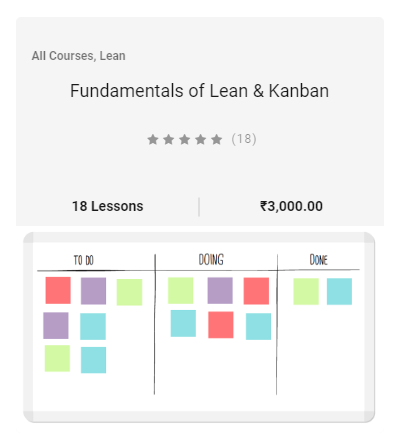
Enroll Now & Get 5 FREE Video Courses

Our Students Say..
All the best Nanda!!